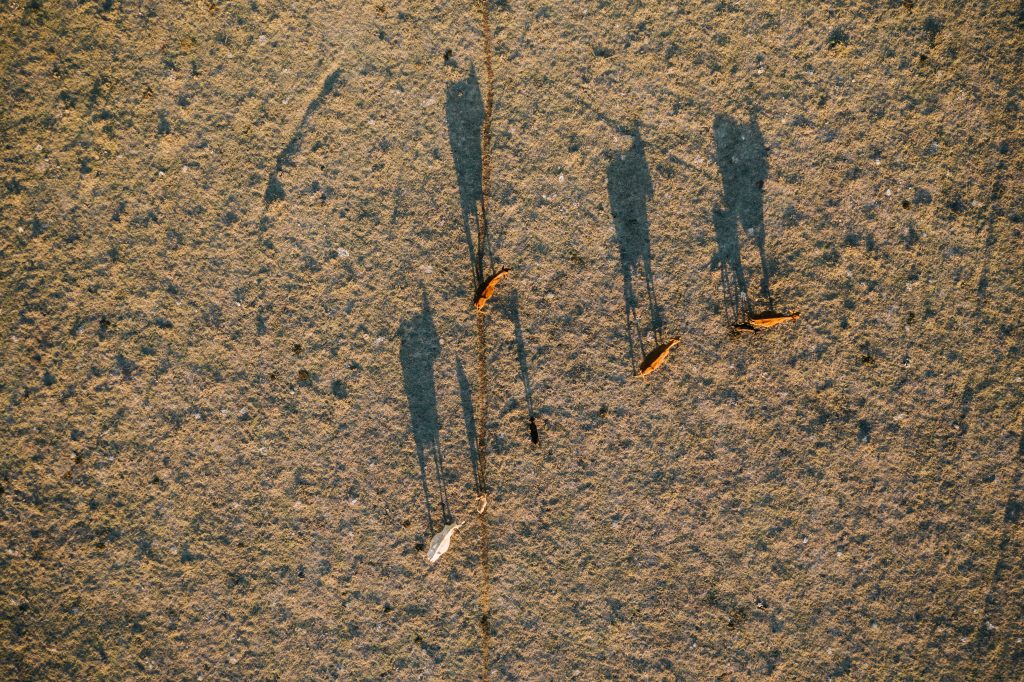
A two-year project to make South East Queensland farms and communities more resilient to drought has been announced by peak environmental group Healthy Land & Water.

A two-year project to make South East Queensland farms and communities more resilient to drought has been announced by peak environmental group Healthy Land & Water.
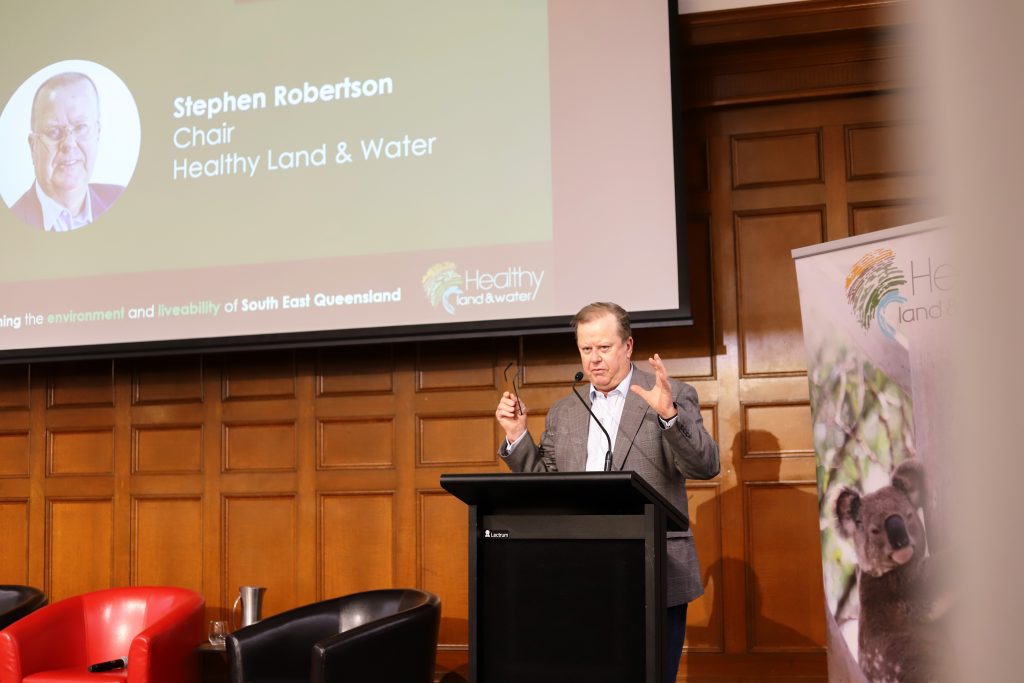
The peak environmental group for South East Queensland is urgently calling on all levels of government to establish a Green Olympics Legacy Driver (GOLD) Plan, saying that at least a decade of action is needed to create real change.
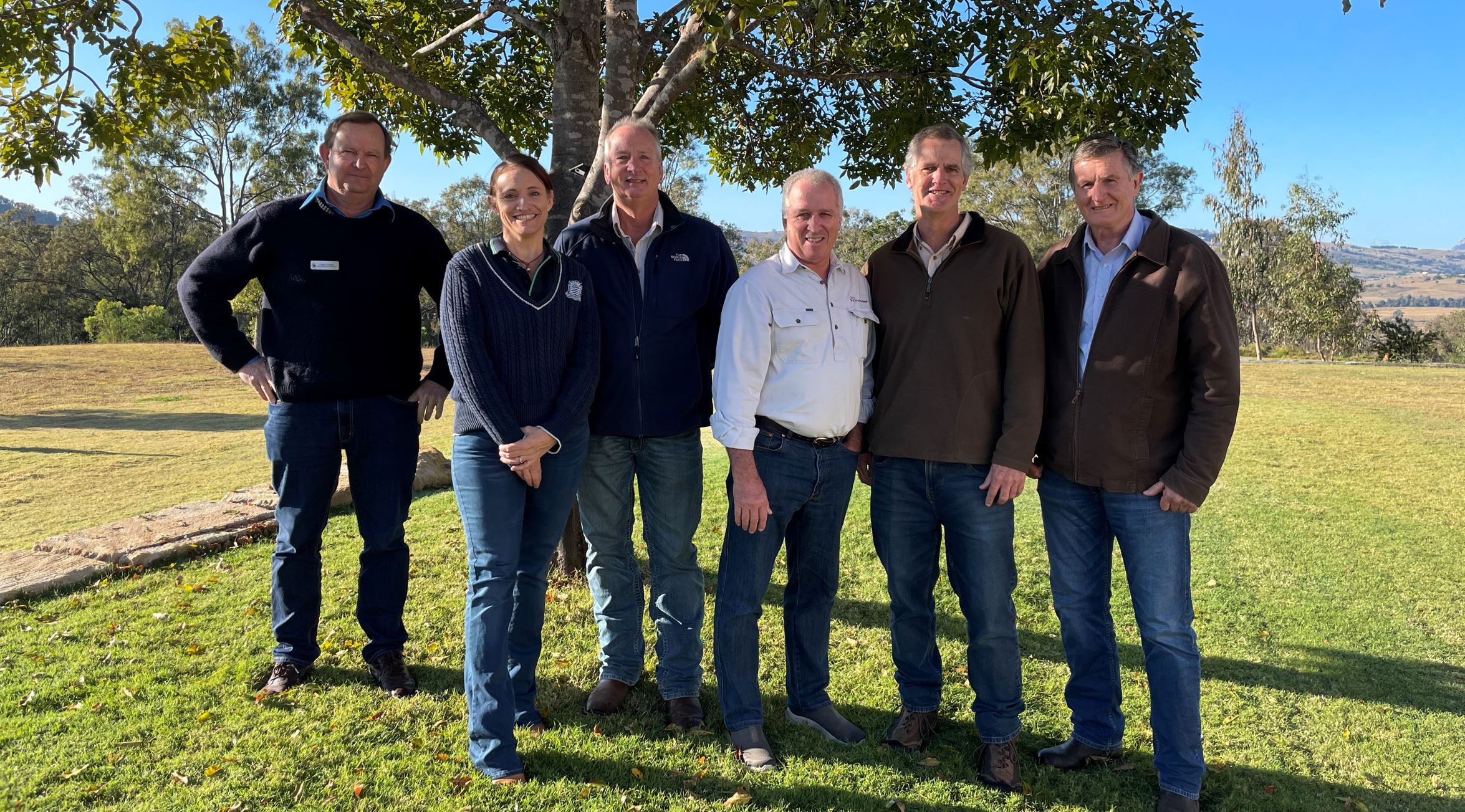
The Farm Business Resilience Program & associated workshops were designed to take an evidence-based approach to build the strategic management capacity of graziers to prepare and manage farm business and climate risks.
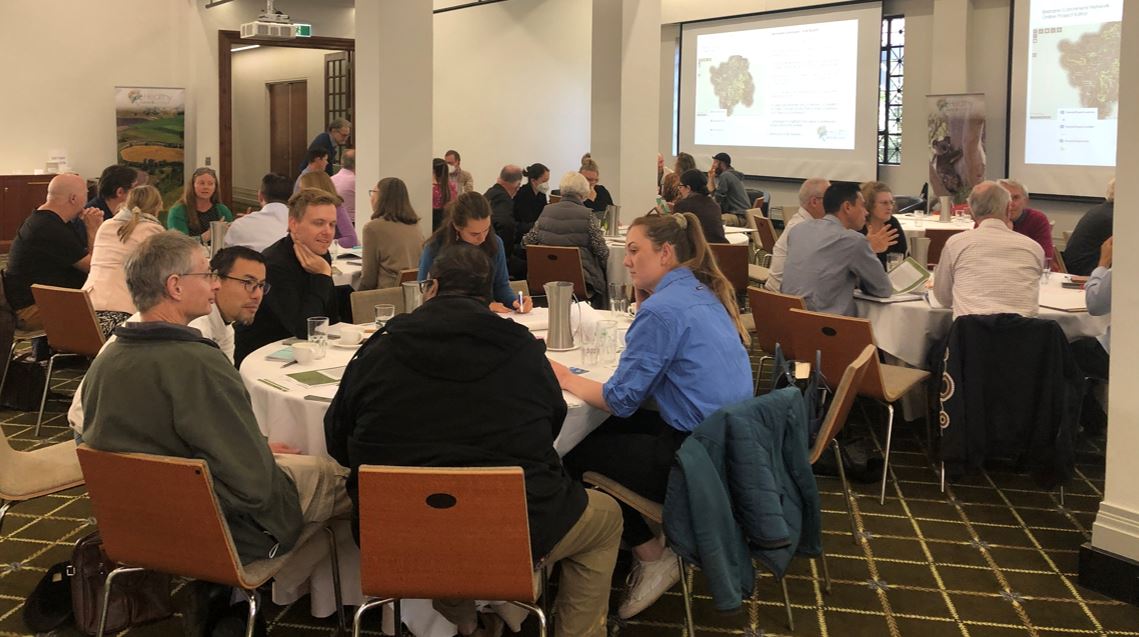
Healthy Land & Water was blown away by the sheer amount of intel provided during its recent regional workshop series.
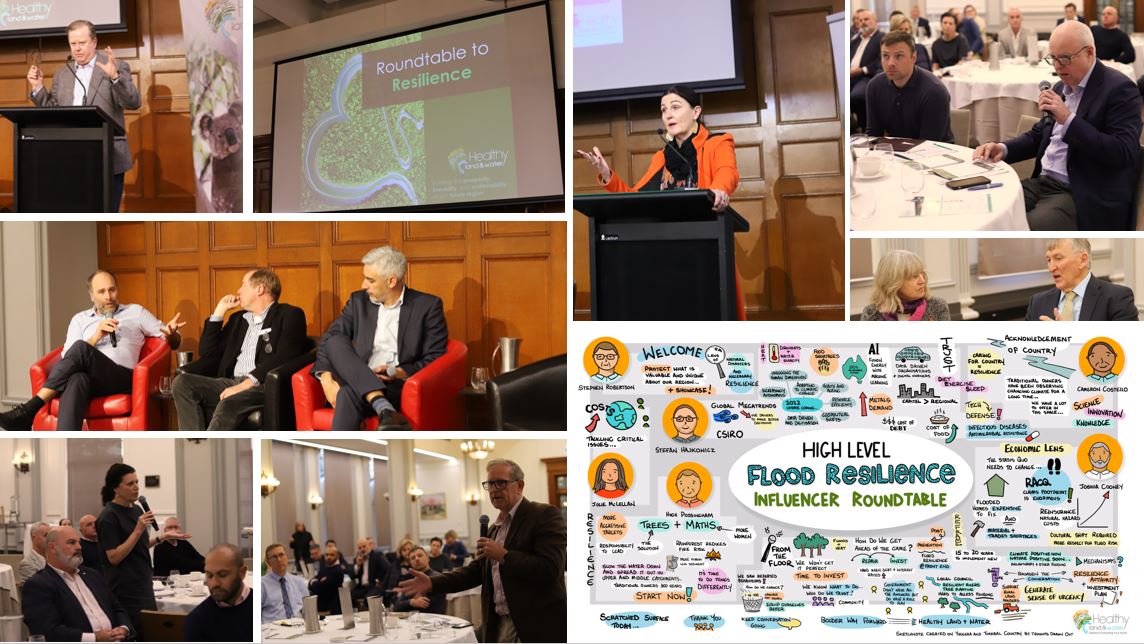
Healthy Land & Water is energised by the support of a broad cross-section of businesses and experts from SEQ for being part of a solution to flip the current reactionary funding model to a proactive one aimed at building resilience to natural disasters and climate change.
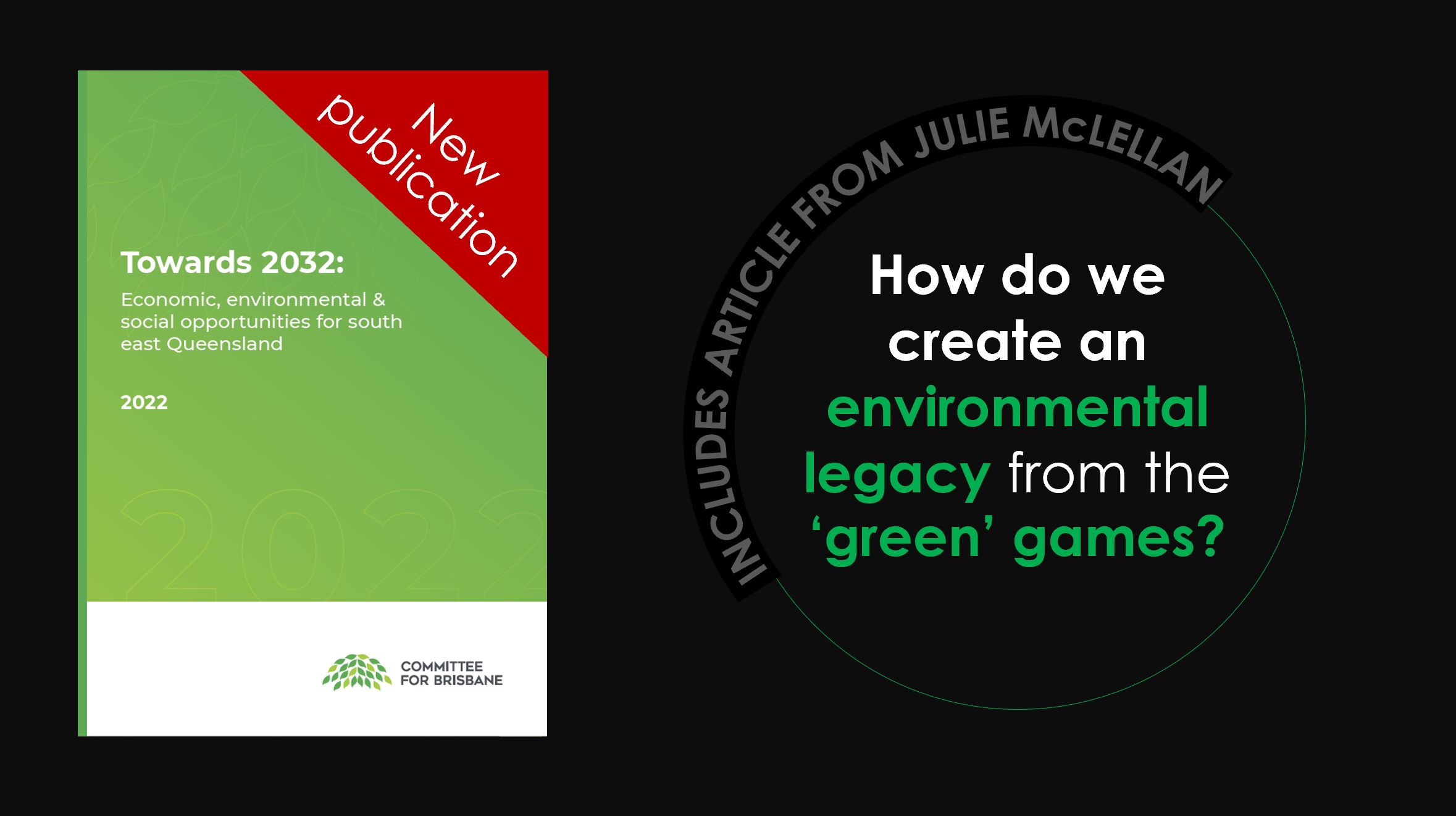
With the ‘green’ games less than a decade away, the Committee for Brisbane asked an impressive line-up of thought leaders how SEQ can realise the associated economic, environmental, and social opportunities.
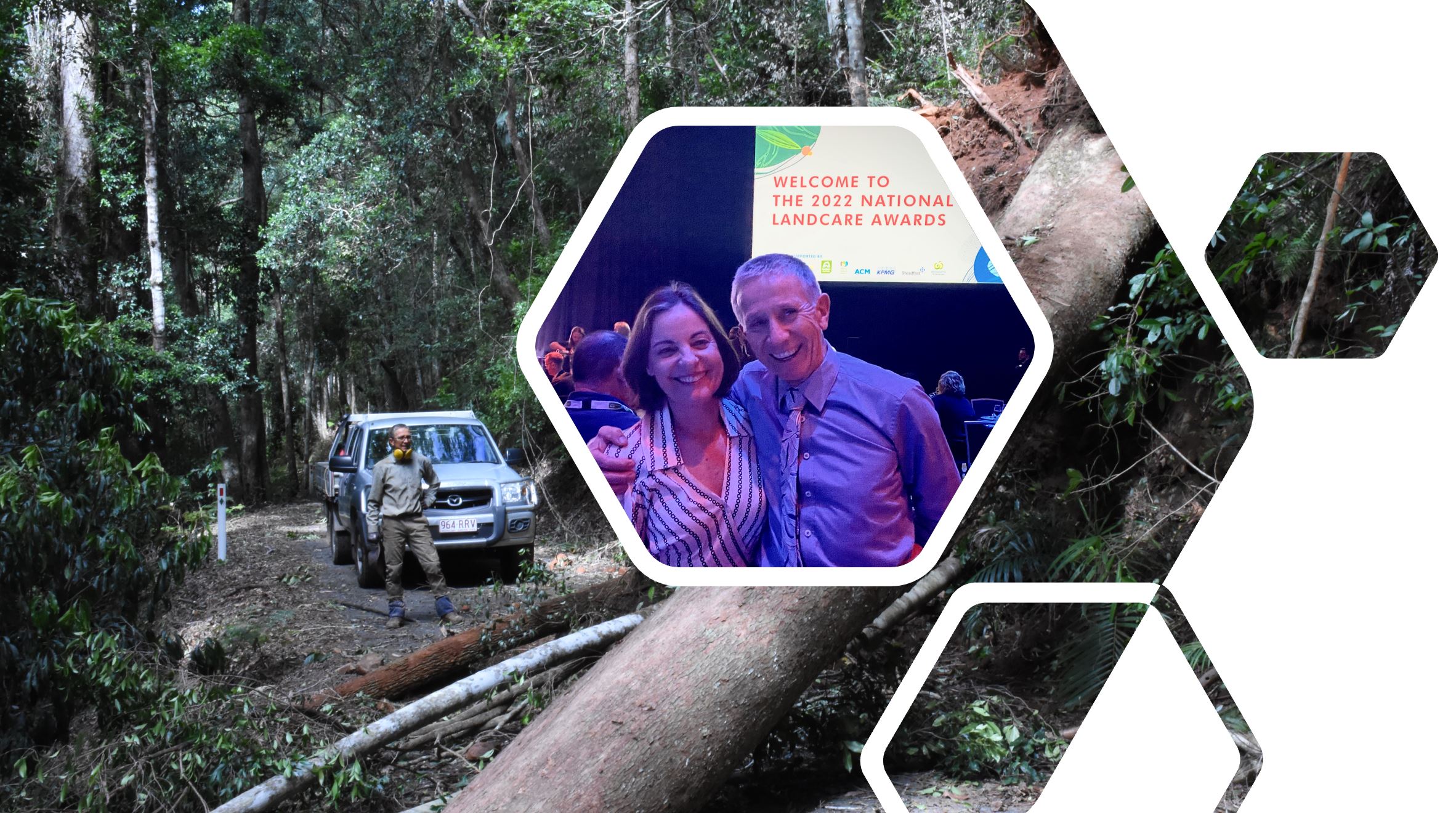
Gold Coast landcare champion Wal Mayr has received top landcare honours, being announced as the winner of the 2022 Australian Government Individual Landcarer Award at the National 2022 Landcare Awards.
Follow us on socials or subscribe below to get enviro news on clever initiatives to improve South East Queensland's beautiful and biodiverse environment, right to your inbox.

Level 11, 240 Queen St, GPO Box 735
Meanjin (Brisbane) QLD 4001, Australia
Monday - Friday 8.30am - 5.00pm
Healthy Land & Water Ltd ABN 91 115 662 989
Phone: (07) 3177 9100
Email: info@hlw.org.au
We acknowledge that the place we now live has been nurtured by the Traditional Custodians of this Country for tens of thousands of years, and that their physical, cultural and spiritual custodianship of our land, water and skies is ongoing.

